Competitive mobile esports analysis, tournaments, and meta shifts.
Competitive mobile gaming is a global phenomenon with professional leagues, stadium-filling championship events, and millions of active ranked competitors. Handheld esports require sharp mechanical execution, rigorous spatial awareness, and deep understanding of evolving game balances. MobPulse delivers technical tournament breakdowns, weapon and hero tier lists, and meta analysis for players looking to climb the ranked ladder or understand the highest tiers of competitive mobile play.
The structural evolution of professional mobile leagues
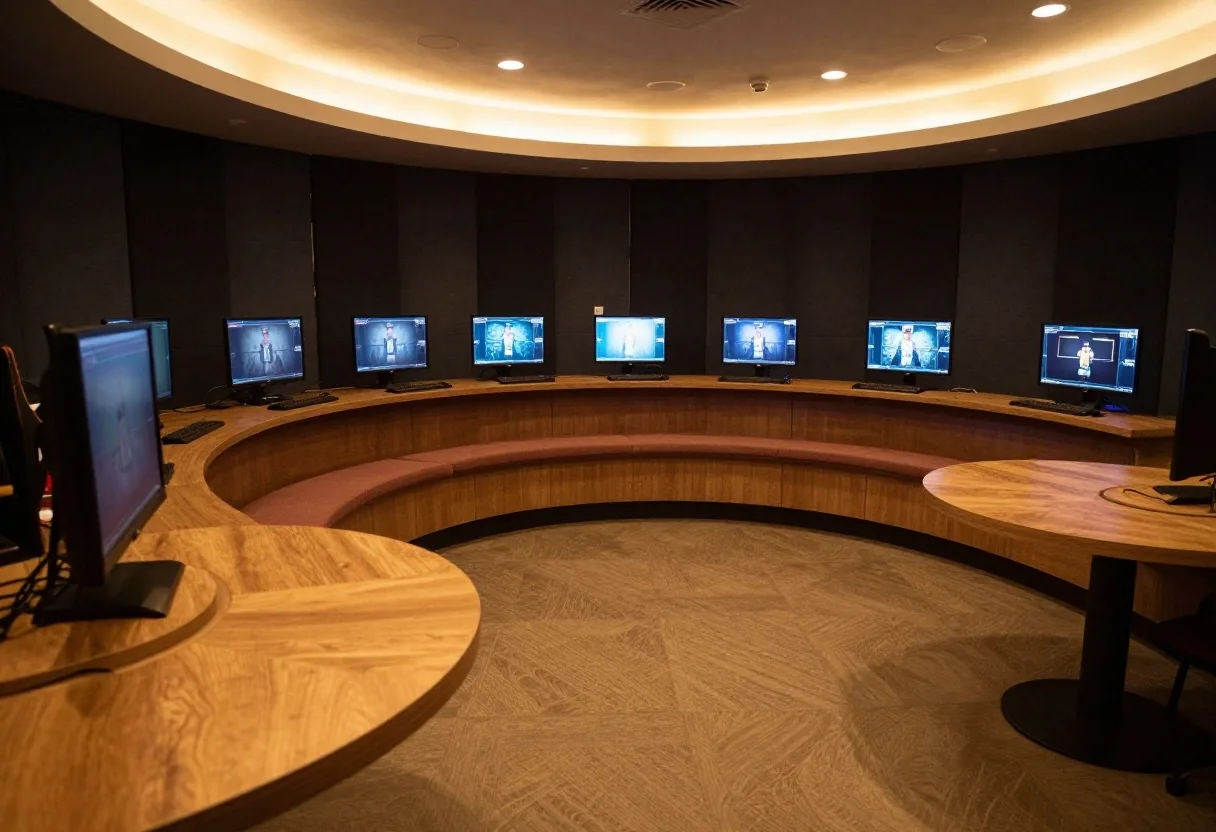
Mobile esports have transitioned from grassroots community tournaments to heavily organized franchise leagues with dedicated broadcast production, strict competitive integrity rules, and professional team organizations. Circuits for titles like PUBG Mobile, Free Fire, Brawl Stars, and Mobile Legends: Bang Bang demonstrate that competitive touch gaming commands massive global viewership. We analyze tournament formats, regional qualification structures, and how mobile esports organizations train their athletes for high-stakes competition.
Regional Franchise Systems
Structured regional qualifiers funnel top squads through closed division stages into continental grand finals, establishing stable player salaries and multi-year sponsorships.
Observer Camera Feeds
Specialized broadcast engines capture real-time player perspectives, overhead tactical maps, and automated kill-cam replays rendered through dedicated spectator clients.
Referee & OS Audits
League marshals inspect every handheld unit before match rounds, sealing USB debug ports and verifying factory system firmware to eliminate software interference.
Physical Condition Regimens
Teams retain physical therapists for wrist mobility, forearm extensor conditioning, and vision tracking routines to mitigate repetitive stress over long competitive days.
Hardware standardization and tournament rulebooks
In competitive mobile tournaments, hardware consistency is essential to fair play. Official esports leagues mandate uniform device models, locked graphic profiles, and strict peripheral bans to ensure a level playing field. We examine tournament rulebooks to explore:
Standardized Device Selections
Tournament operators supply locked units from custom-tuned flagship phones to locked tablet displays. Every player operates on identical SoC silicon, touch sampling digitizers, and thermal dissipation limits.
Prohibition of Triggers & Emulators
Strict bans outlaw clip-on mechanical triggers, capacitive shoulder buttons, macro injection scripts, and desktop emulation layers. All inputs must stem purely from direct human fingers on screen glass.
Isolated LAN Server Deployments
In-person LAN tournament server infrastructure is wired to eliminate online packet jitter, server tick desync, and ping disparities, guaranteeing frame-accurate registration across all competing teams.
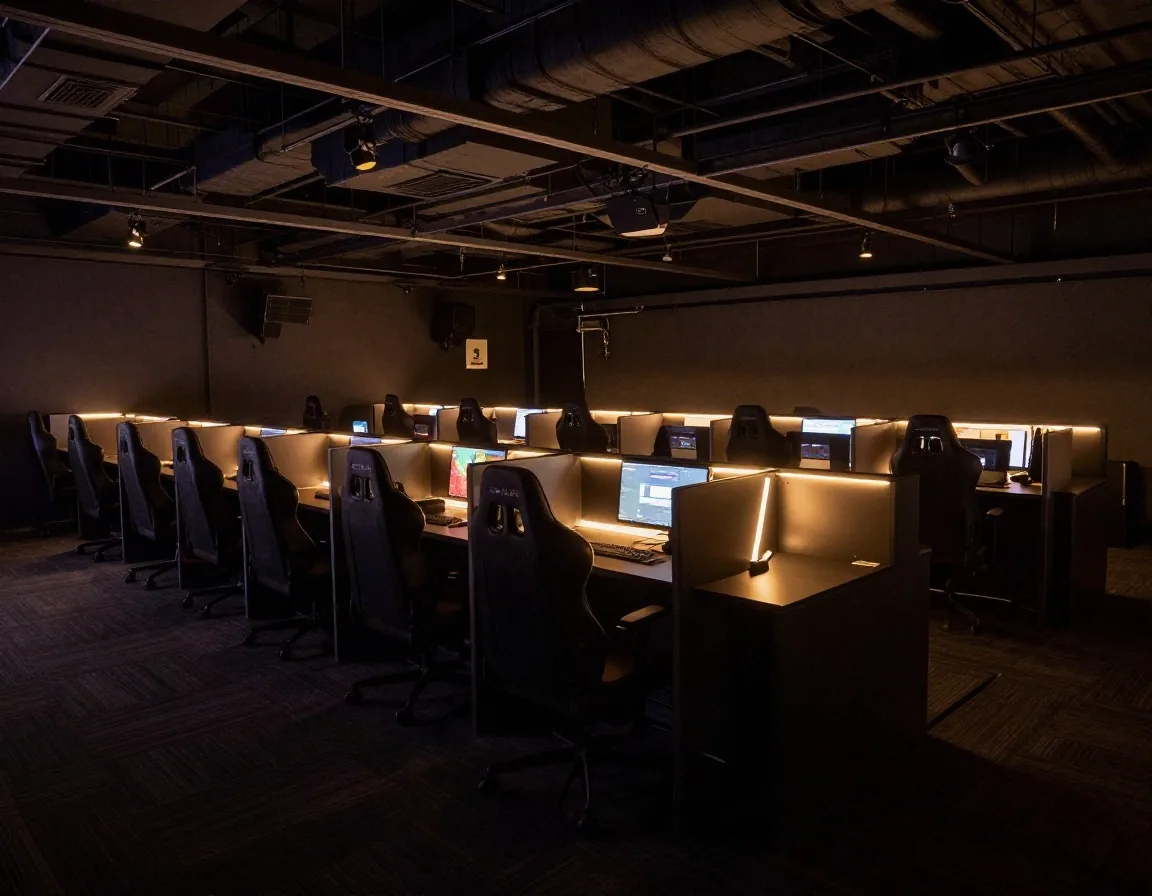
Physical inspection protocols verify ambient thermal profiles, screen surface temperature, and wired gigabit packet stability before tournament rounds commence.
Meta shifts and weapon balance patch analysis
Competitive metas change rapidly as developers introduce balance patches, weapon stat tweaks, and character reworks. MobPulse breaks down patch notes through a competitive lens, tracking shifts in effective range, damage-per-second values, reload durations, and ability cooldowns. We examine how professional teams adjust their team compositions and draft picks following major updates, helping ranked players understand which strategies are dominant and which have fallen out of competitive favor.
| Weapon / Hero Archetype | Effective TTK Shift | Recoil / Cooldown Delta | Draft Tier State | Competitive Impact |
|---|---|---|---|---|
| 5.56mm Intermediate Rifles Mid-Range Burst Rifles | -18ms at 25–40m | Horizontal recoil reduced by 6%; first-shot kick lowered | Tier S Priority | Replaces heavy 7.62 ARs as the standard squad primary for vehicle sprays and open rotations. |
| Rapid-Fire Submachine Guns Close-Quarter Infiltrators | +24ms past 15m | Damage falloff steepened; hip-fire spread radius widened | Tier A Situational | Restricted to compound breach clears; entry fraggers swap to carbines for exterior terrain. |
| Bolt-Action Marksman Rifles Precision Long-Range | 0ms (Lethal Headshot) | Chambering animation speed enhanced by 8% with cheek pads | Tier S Tactical | Crucial for opening picks during early-circle scouting phases across open desert and grassland maps. |
| Area Denial Utility Heroes Crowd Control & Zone Blocking | Cooldown +3.5s | Ultimate resource meter build requirement increased by 14% | Tier B Relegated | Squads pivot drafts toward high-mobility dive heroes who can bypass stationary defense zones. |
Telemetry derived from competitive scrim recordings and verified tournament broadcast statistics.
View game tier lists
4-Finger vs 2-Thumb Input Latency
Simultaneous movement, camera tracking, ADS acquisition, and trigger release reduces input execution windows from 280ms down to zero-delay simultaneous firing.
Input ergonomics: claw grips versus thumb play
At the highest tiers of mobile first-person shooters and battle royales, traditional two-thumb controls are insufficient for complex movement and aim execution. Professional mobile athletes rely on multi-finger claw grips - using four, five, or even six fingers simultaneously across the glass screen - to jump, slide, aim, and shoot without lifting their fingers from the display. We analyze hand posture ergonomics, finger positioning, custom HUD layouts, and touch sensitivity curves to help ambitious players master advanced input mechanics safely without risking repetitive strain injury.
Quadrant Separation
Positioning primary trigger buttons at the top screen corners relieves the right thumb of firing duty, dedicating it solely to gyroscope-assisted aim micro-adjustments.
Tendon Load Balance
Curling index fingers at a 45-degree angle reduces median nerve pressure compared to forced 90-degree clawing, preventing long-term wrist numbness and carpal fatigue.
Tactical communication and spatial audio in competitive lobbies
In chaotic team-based mobile shooters, verbal communication and spatial audio interpretation determine the outcome of close rounds. We analyze how professional squads structure callouts, designate in-game leaders, and allocate map control responsibilities. We also evaluate how low-latency wireless and wired audio gear translates directional acoustic cues, such as footsteps across concrete versus grass, giving players actionable intelligence during critical clutch situations.
Wired DAC vs Bluetooth Profiling
While standard Bluetooth adds 120–200ms of audio delay, wired Type-C DAC interfaces process directional gunshot echoes in under 12ms, enabling instant counter-strafing before an enemy breaks line-of-sight.
In-Game Leader Hierarchy
Disciplined rosters enforce strict radio discipline during final circle collapses: only the IGL makes macro rotation calls, while fraggers relay concise contact numbers and bearing tags.
Frequency EQ Tuning
Boosting 1.5kHz to 3.5kHz midrange bands isolates footsteps across wood, tile, and metal surfaces while depressing low-end sub-bass explosions that mask opponent flank approaches.
Rotations, zone management, and map positioning
Battle royale esports are decided by map positioning, terrain control, and rotation timings rather than raw aim duels alone. We deconstruct tournament match replays to reveal how top-tier squads navigate circle collapses, secure power positions, and manage vehicle mobility under heavy sniper fire. Understanding when to gate-keep opposing teams and when to avoid unnecessary early-game engagements is the foundation of consistent tournament placement.
Hard-Edge Playing vs Center Compounding
Rosters choose between claiming dense compound compounds in early circles or hugging the blue border to sweep late rotations into the safe zone without exposing their flanks.
Vehicle Fortification & Mobility Utility
Preserving at least two durable vehicles into Phase 5 creates mobile cover blocks across open end-zones with zero natural terrain depressions.
Gate-Keeping Choke Points
Holding bridges, ridgelines, and defiles forces lagging squads to fight while taking zone tick damage, securing elimination points with minimal ammunition expenditure.
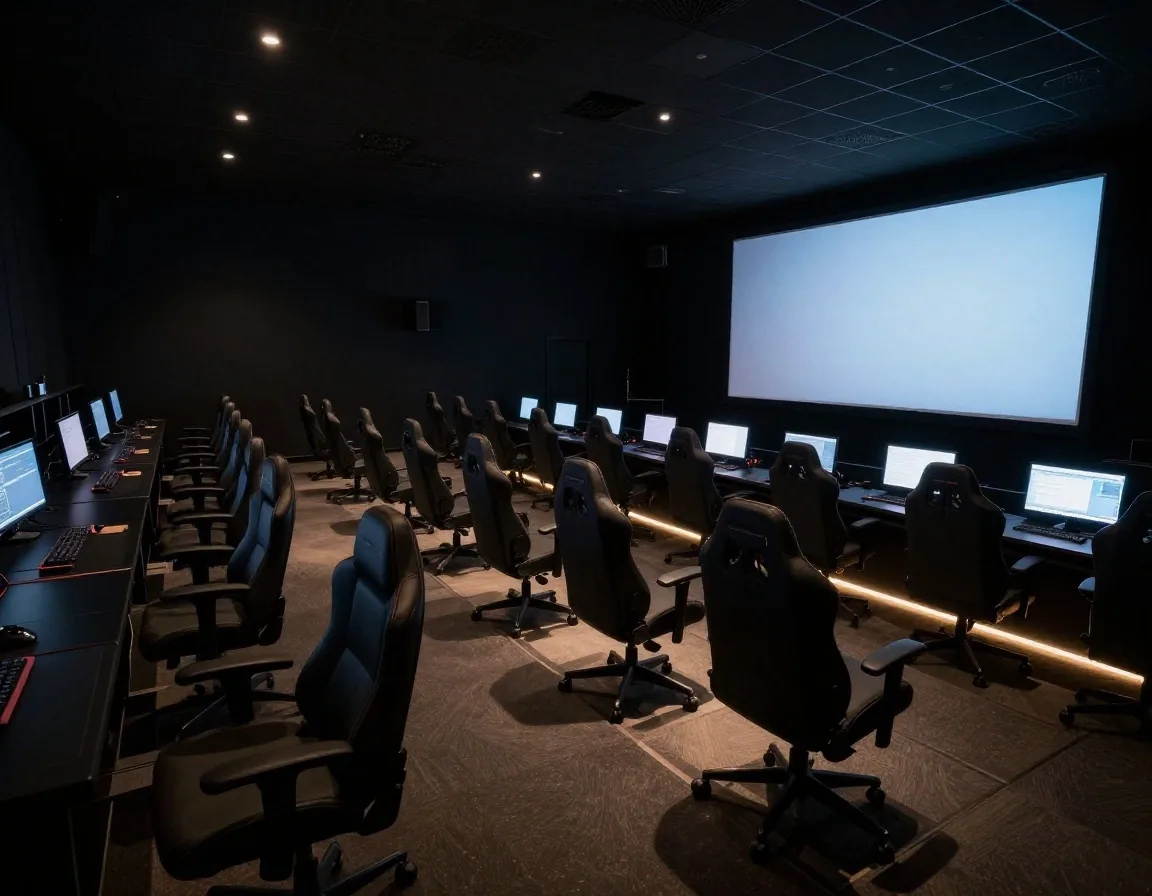
Phase 4 to Phase 6 Zone Shift
Visualizing split rotations, smoke wall cordons, and elevation dominance across regional championship grand finals.
Anti-cheat systems and competitive integrity on open platforms
Open mobile operating systems present unique challenges for competitive integrity. Developers constantly battle memory injection tools, radar hacks, auto-aim scripts, and device spoofers that grant illegitimate advantages. We report on anti-cheat software developments, ban-wave data, and hardware-level security measures deployed by tournament operators to preserve fair competition in both public ranked queues and professional circuits.
Kernel & Memory Guarding
Modern competitive mobile game clients hook into low-level operating system sandboxes to detect dynamic memory hooking, unauthorized debugging frameworks, and rooted environment modifications before the user can connect to matchmaking servers.
- Hardware-backed cryptographic attestation signatures
- Real-time integrity audits of executable game binaries
Heuristic Touch Analysis
Machine learning models evaluate touch input vectors on the server side. Inhumanly linear aim tracing, instantaneous crosshair snaps without finger travel time, and repetitive millisecond-exact tap intervals trigger automated shadow-bans and manual referee flags.
- Curvature profiling against human hand tremor signatures
- Cross-check of gyroscope vectors versus finger touch points
The psychology of competitive mobile play and tilt mitigation
Ranked ladders can be psychologically taxing environments, characterized by sudden losing streaks, bad matchmaking rolls, and high-pressure clutch scenarios. We examine performance psychology principles tailored to mobile gaming, exploring how players can maintain mental focus during marathon tournament brackets. Managing tilt, setting clear process-oriented goals, and understanding when to step away from the screen are essential skills for sustained competitive improvement.
The Three-Loss Session Cap: Ceasing ranked queues immediately after three consecutive losses preserves MMR from emotional spiral play.
Micro-Breathing Cadence: Implementing 60-second diaphragmatic resets between tournament maps drops elevated heart rates back into optimal reaction zones.
The emerging collegiate and grassroots mobile scene
Beyond the million-dollar world championships lies an active ecosystem of collegiate leagues, regional amateur ladders, and community-run showdowns. These grassroots circuits serve as the training grounds for the next generation of mobile esports talent. MobPulse highlights regional tournament opportunities, squad recruitment practices, and advice for players seeking to form their own competitive rosters and break into organized team play.
Collegiate Esports Associations: University clubs now offer dedicated mobile varsity teams alongside PC titles with formal scholarship structures.
Amateur Scrim Discords: Tier-3 community organizers host open nightly scrimmages replicating official league point scoring rules.
How to build an effective ranked team roster
Climbing ranked mobile ladders as a solo competitor often leads to frustrating inconsistency. We break down the dynamics of roster construction for competitive squads, discussing role distribution - such as dedicated entry fraggers, support utility anchors, and flexible roamers. We provide practical advice on scheduling regular scrimmages, running structured review sessions of match replays, and establishing healthy communication channels that keep teams unified over long competitive seasons.
Entry Fragger
Carries supreme mechanical aim and close-quarters reaction speed. Responsible for winning initial breach duels and opening map space during squad pushes.
In-Game Leader (IGL)
Directs macro circle rotations, manages vehicle conservation, and makes definitive fight-or-flight calls under heavy tournament lobby pressure.
Utility Anchor
Specializes in smoke grenade screens, flash coordination, medical resupplies, and providing suppressive rifle fire to cover squad resets.
Scout / Roamer
Operates ahead of the main squad unit to secure compound safety, report opponent rotation vectors, and guard rear defiles from flanking teams.
Frequently asked questions on competitive mobile play
Clear answers regarding hardware requirements, tournament eligibility, and ranked progression.
Are iPads and large tablets permitted in premier mobile tournaments?
What screen refresh rate is considered mandatory for competitive play?
How do professional mobile gamers prevent thermal throttling during long sets?
Can players qualify for major esports circuits as free agents?
Have an inquiry regarding specific tournament formats or rulebook interpretations?
Contact our editorial research deskExplore in-depth reviews and genre breakdowns
Access our technical device stress benchmarks, game optimization matrices, and tactical guides to refine your competitive mobile setup.