
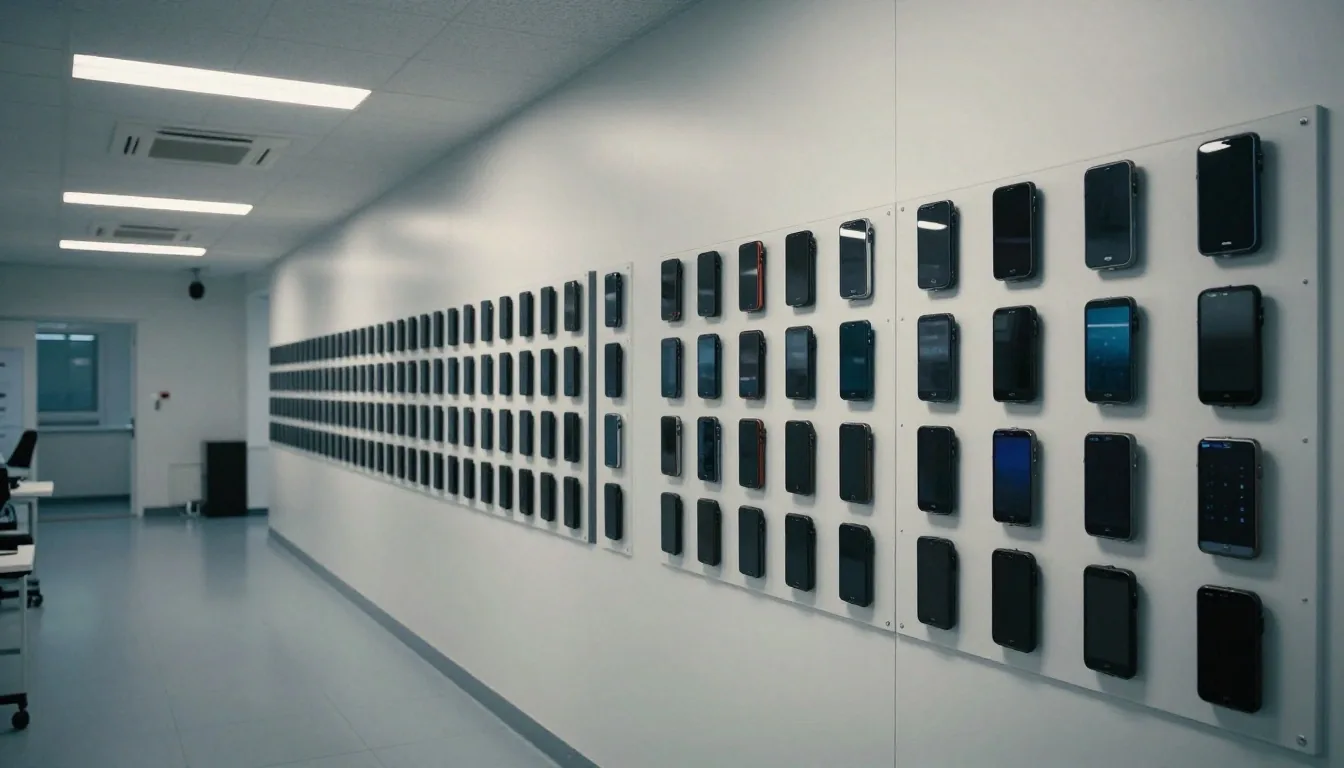
Mobile game genres categorized by mechanics and performance demands.
Categorizing mobile games by broad labels like "casual" or "hardcore" ignores the technical design and gameplay depth of modern handheld titles. From complex tactical role-playing games that demand gigabytes of memory to precision platformers that require zero-latency touch inputs, mobile gaming encompasses diverse formats. This guide breaks down the major genres, examining how each interacts with touch interfaces, hardware limits, and gameplay systems.
System Stress Profiles by Category
Baseline hardware demands measured across flagship and mid-range devices running high-cadence mobile titles.
Multi-touch claw grips require sub-12ms touch response and continuous thermal headroom to avoid frame-time spikes.
Demands high continuous read-speeds via UFS storage architectures with aggressive geometry texture streaming.
Optimized for passive thermal profiles, allowing prolonged sessions without thermal throttling or aggressive battery drain.
Requires strict coyote-time compensation algorithms and physical hardware headphone connections to avoid rhythm slip.
Battle royale and tactical survival shooters
Battle royale titles on mobile demand intense graphical processing, high polygon rendering across sprawling open maps, and steady multiplayer network synchronization. Players must scan distant horizons for enemy movements, manage recoil patterns across dozens of weapon platforms, and execute rapid multi-touch maneuvers. We analyze how different battle royale engines handle draw distance rendering, foliage density optimization, and audio cues, helping players find shooters that reward strategic positioning over chaotic touch flailing.
In competitive phone battle royale environments, a sudden 15% thermal throttle drop can mean the difference between winning a long-range engagement and losing visibility during close-quarters shotgun trades. Our testing tracks sustained 60Hz and 120Hz frame stability over uninterrupted 30-minute scrim sessions, measuring touch jitter and spatial audio panning accuracy through external monitoring rigs.
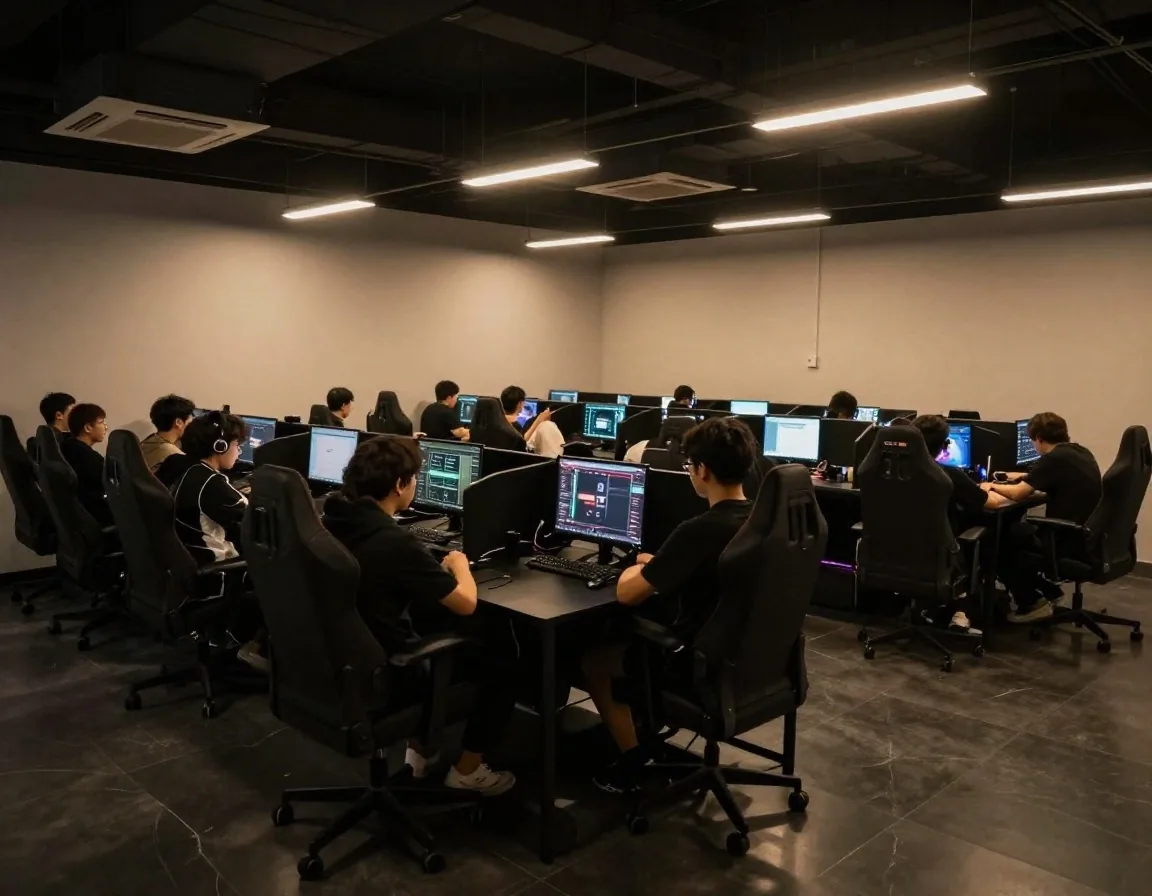
Multi-Touch Latency & Gyroscope Tracking Station
Turn-based tactical games and grid-based strategy
Grid-based tactics and turn-based combat represent an ideal match for the mobile touchscreen interface. Because actions are executed in distinct phases rather than split-second twitches, players can enjoy complex tactical gameplay without being limited by touch control inaccuracies. We explore how tactical mobile strategy games and turn-based skirmishers utilize environmental cover mechanics, line-of-sight calculations, and squad loadouts, delivering deep strategic experiences suitable for short commutes or extended couch sessions.
Unlike titles dependent on 120Hz polling, deterministic strategy systems emphasize interface clarity, legible status readouts, and non-intrusive confirmation steps. We assess whether games respect screen real estate with scalable UI elements or clutter small displays with microscopic tap targets that trigger frustrating misclicks during crucial turns.
Character action and hack-and-slash brawlers
Character action games require rapid input execution, tight dodge windows, and fluid combo strings that challenge touch screen ergonomics. These titles push mobile graphics hardware with dynamic lighting, particle-heavy combat effects, and rapid camera rotations. We break down which action games offer customizable virtual joysticks, smart target-locking options, and full physical controller support, separating polished combat systems from clunky button-mashing clones.
When dealing with iframe cancel windows down to 3-5 frames, virtual stick slippage is a constant operational hazard. We test whether touch deadzones can be manually adjusted, how multi-finger virtual buttons prevent touch cancellation, and whether Bluetooth gamepad profiles exhibit input drift during frantic boss encounters.
Genre Demands Across Modern Hardware
Direct empirical classification of memory bandwidth, thermal footprint, and optimal input configurations.
| Genre Classification | Input Sensitivity | Sustained Storage Footprint | Thermal Throttling Risk | Recommended Gear |
|---|---|---|---|---|
| Competitive Shooters | < 15ms Strict | 12 GB – 18 GB | Severe after 20 mins | Capacitive Triggers / Cooler |
| Open-World ARPGs | < 35ms Moderate | 20 GB – 32 GB | Critical (GPU bound) | Telescopic Controller Clamp |
| Turn-Based Strategy | Tolerant (> 100ms) | 3 GB – 7 GB | Minimal / Negligible | Bare Handheld Touchscreen |
| Precision Platformers | < 10ms Zero-Buffer | 1 GB – 4 GB | Low to Moderate | Low-Latency Wired Gamepad |
| Deck-Builders & Card Games | Tolerant (> 150ms) | 2 GB – 5 GB | Lowest (Ambient Cooling) | One-Handed Vertical Hold |
| Arcade Motorsport | < 25ms Gyro-Bound | 8 GB – 15 GB | High (Post-processing) | Calibrated Gyro / Dual-Grip |

Sustained Dissipation & Dynamic Texture Throttling
Open-world action RPGs and exploration epics
The open-world ARPG genre on mobile has seen explosive growth, offering console-grade visual fidelity, sprawling environmental maps, and real-time elemental combat. However, these mobile rpgs are the most demanding applications you can run on a smartphone, often consuming over twenty gigabytes of local storage and pushing phone thermals to their absolute limits. We evaluate how open-world engines handle asset streaming, texture compression, and thermal scaling across extended play sessions.
When navigating vast regional terrain, background geometry decompression places severe demands on unified memory bus architectures. Devices without adequate vapor chambers quickly throttle GPU core frequencies by up to 35%, causing jagged frame drops during intense combat rotations. We test titles across variable graphics presets to determine the exact equilibrium between pristine visual detail and stable 60 FPS pacing.
Tower defense and base management operational games
Tower defense titles have evolved from simplistic lane-placement puzzles into complex operational simulations with deep hero progression systems, elemental damage matrices, and dynamic pathing. We analyze how tower defense and base-building games handle pathfinding calculations when hundreds of enemy units occupy the screen at once. We also scrutinize monetization models, warning players away from base builders that turn construction timers into exploitative paywalls.
As swarm densities climb into several hundred simultaneous path-finding nodes, CPU core threading becomes the primary bottleneck rather than shader capabilities. Our reviews distinguish between titles utilizing optimized spatial partitioning algorithms that maintain fluid 60Hz simulations, and unoptimized engines that choke down into unplayable slide-shows during endgame waves.
Operational Stress Criteria
-
Multi-Threaded Unit Pathing: Continuous A* path calculation across dynamic obstructions without hitching the render loop.
-
Fair Progression Geometry: Verification that high-tier wave clears reward mechanical synergy rather than premium currency skips.
-
Fast-Forward Engine Stability: Execution speed-up multipliers (2x/4x) maintain collision integrity and do not skip projectile hitboxes.
Precision, Deck-Building, and Story Systems
Precision platformers and physics-driven runners
Platformers on mobile live or die by the responsiveness of their control schemes. A single frame of input lag or an unresponsive jump button can ruin a precision obstacle course. We examine how developer studios solve the lack of physical tactile feedback through generous coyote-time jump windows, dynamic virtual d-pads, and intuitive swipe gestures. We also highlight physics-driven runners that use one-touch mechanics to create engaging, momentum-based gameplay.
Digital card battlers and deck-building roguelikes
Deck-building games and digital collectible card titles are exceptionally well-suited to vertical or horizontal smartphone screens. With minimal 3D graphical overhead, these games conserve battery life and generate negligible thermal load, making them perfect for all-day mobile play. We break down the depth of their rule systems, card synergy mechanics, drop rates, and whether free-to-play deck builders allow competitive ladder climbing without continuous financial investment.
Narrative adventures and tactile interactive fiction
Point-and-click adventures, visual novels, and tactile mystery boxes treat the glass touchscreen as an intimate storytelling canvas. By removing virtual joysticks in favor of direct item manipulation, inspection, and branching narrative dialogue, these games provide immersive storytelling without demanding fast reflexes. We highlight narrative titles that respect player choices, feature quality voice work, and offer self-contained story arcs free from episodic paywalls.
Sports simulations and arcade motorsport
Mobile sports titles fall into two distinct camps: complex, licensed simulations with deep team management systems, and fast-paced, physics-heavy arcade racers. We analyze how sports titles implement touch-friendly gesture controls, such as curved swipe-to-shoot inputs, and evaluate their online multiplayer netcode. We also inspect motorsport titles for vehicle handling physics, customizable steering sensitivity, and how well dynamic weather effects are rendered without collapsing baseline frame rates.
In high-speed arcade motorsport, gyroscope polling frequency is essential for accurate counter-steering at over 200 mph in-game speeds. We audit racing titles for gyro deadzones, tilt dampening curves, and whether dynamic reflections cause sudden micro-stutters during hairpin turns.

Spatial puzzles and optical illusion mysteries
Spatial mobile puzzle games leverage modern touch displays to deliver tactile, meditative challenges. These games focus on perspective manipulation, mechanical contraptions, and acoustic feedback to engage player problem-solving skills. Because they rarely demand high frame rates or sustained network connections, spatial puzzles offer some of the most energy-efficient, visually polished gaming experiences available on mobile platforms.
The primary test for spatial puzzle quality lies in touchscreen fidelity: dials must rotate smoothly with 1:1 finger tracking, perspective shifts must render cleanly without aliasing artifacts, and haptic motor feedback should convey the sensation of clicking physical mechanical gears into place.

Frequently Asked Genre Questions
How do you evaluate thermal throttling across different genres? +
Do physical Bluetooth controllers introduce too much lag for action genres? +
Why do some 2D deck-builders consume as much battery as 3D titles? +
How can players identify games with aggressive monetization paywalls? +
Calibrate your handheld library against real hardware thresholds.
Whether you are tuning touch sensitivity for tactical shooters or hunting for low-draw card roguelikes, MobPulse Gaming delivers independent empirical telemetry.